🕷️ Krawl

A modern, customizable zero-dependencies honeypot server designed to detect and track malicious activity through deceptive web pages, fake credentials, and canary tokens.

License Release
GitHub Container Registry Kubernetes Helm Chart

What is Krawl? • Installation • Honeypot Pages • Dashboard • Todo • Contributing


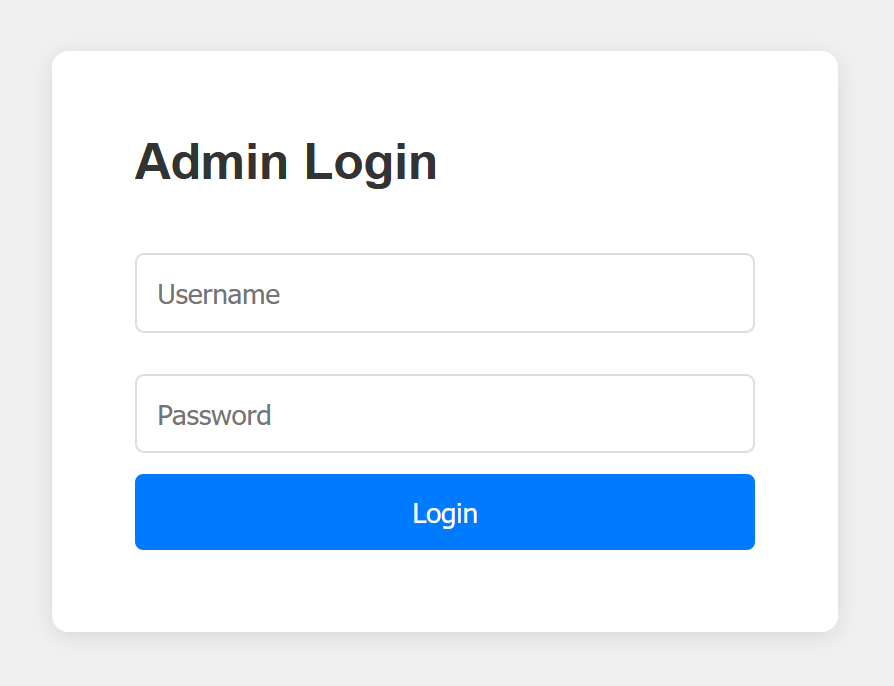
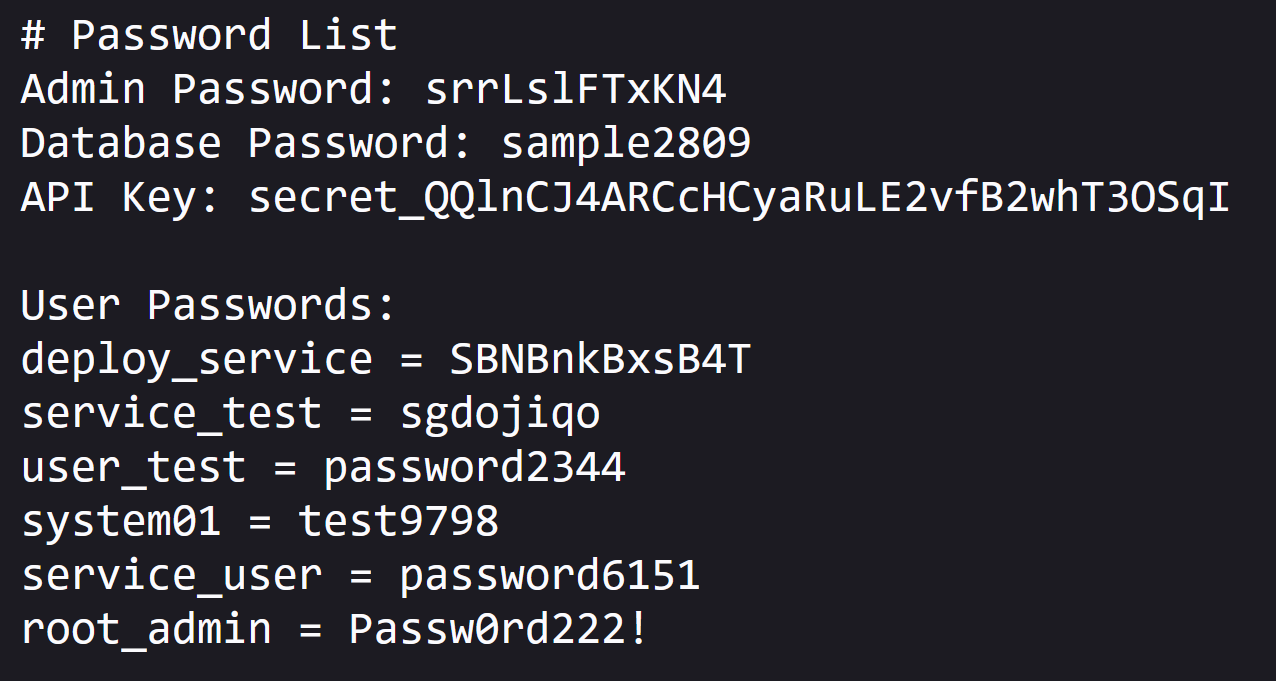
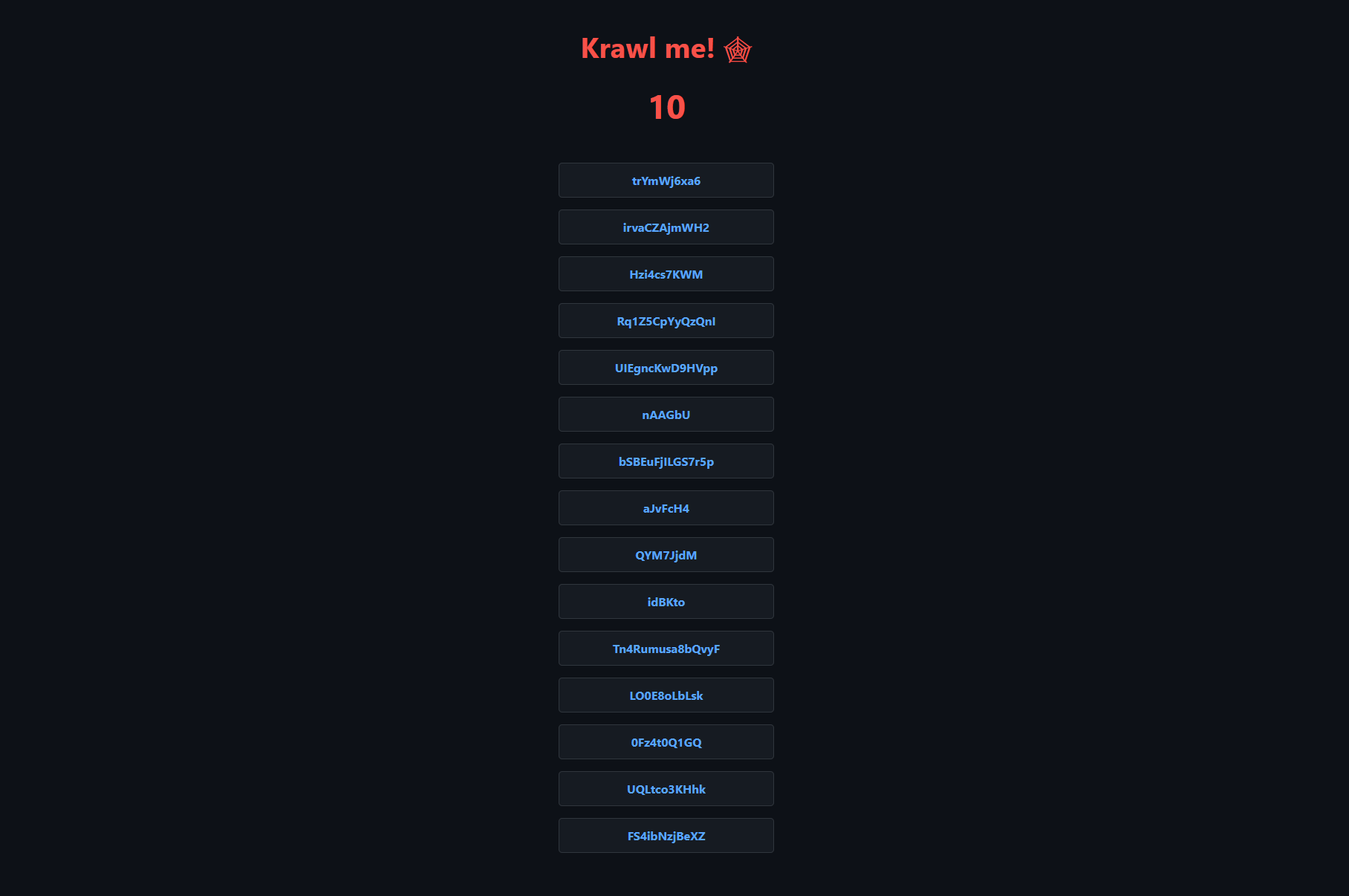
## Demo Tip: crawl the `robots.txt` paths for additional fun ### Krawl URL: [http://demo.krawlme.com](http://demo.krawlme.com) ### View the dashboard [http://demo.krawlme.com/das_dashboard](http://demo.krawlme.com/das_dashboard) ## What is Krawl? **Krawl** is a cloud‑native deception server designed to detect, delay, and analyze malicious web crawlers and automated scanners. It creates realistic fake web applications filled with low‑hanging fruit such as admin panels, configuration files, and exposed fake credentials to attract and identify suspicious activity. By wasting attacker resources, Krawl helps clearly distinguish malicious behavior from legitimate crawlers. It features: - **Spider Trap Pages**: Infinite random links to waste crawler resources based on the [spidertrap project](https://github.com/adhdproject/spidertrap) - **Fake Login Pages**: WordPress, phpMyAdmin, admin panels - **Honeypot Paths**: Advertised in robots.txt to catch scanners - **Fake Credentials**: Realistic-looking usernames, passwords, API keys - **[Canary Token](#customizing-the-canary-token) Integration**: External alert triggering - **Real-time Dashboard**: Monitor suspicious activity - **Customizable Wordlists**: Easy JSON-based configuration - **Random Error Injection**: Mimic real server behavior ![asd](img/deception-page.png) ## 🚀 Installation ### Docker Run Run Krawl with the latest image: ```bash docker run -d \ -p 5000:5000 \ -e KRAWL_PORT=5000 \ -e KRAWL_DELAY=100 \ -e KRAWL_DASHBOARD_SECRET_PATH="/my-secret-dashboard" \ -e KRAWL_DATABASE_RETENTION_DAYS=30 \ --name krawl \ ghcr.io/blessedrebus/krawl:latest ``` Access the server at `http://localhost:5000` ### Docker Compose Create a `docker-compose.yaml` file: ```yaml services: krawl: image: ghcr.io/blessedrebus/krawl:latest container_name: krawl-server ports: - "5000:5000" environment: - CONFIG_LOCATION=config.yaml volumes: - ./config.yaml:/app/config.yaml:ro - krawl-data:/app/data restart: unless-stopped volumes: krawl-data: ``` Run with: ```bash docker-compose up -d ``` Stop with: ```bash docker-compose down ``` ### Helm Chart Install with default values: ```bash helm install krawl oci://ghcr.io/blessedrebus/krawl-chart \ --version 2.0.0 \ --namespace krawl-system \ --create-namespace ``` Or create a minimal `values.yaml` file: ```yaml service: type: LoadBalancer port: 5000 ingress: enabled: true className: "traefik" hosts: - host: krawl.example.com paths: - path: / pathType: Prefix config: server: port: 5000 delay: 100 dashboard: secret_path: null # Auto-generated if not set database: persistence: enabled: true size: 1Gi ``` Install with custom values: ```bash helm install krawl oci://ghcr.io/blessedrebus/krawl-chart \ --version 2.0.0 \ --namespace krawl-system \ --create-namespace \ -f values.yaml ``` To access the deception server: ```bash kubectl get svc krawl -n krawl-system ``` Once the EXTERNAL-IP is assigned, access your deception server at `http://:5000` ### Kubernetes Apply all manifests with: ```bash kubectl apply -f https://raw.githubusercontent.com/BlessedRebuS/Krawl/refs/heads/main/kubernetes/krawl-all-in-one-deploy.yaml ``` Or clone the repo and apply the manifest: ```bash kubectl apply -f kubernetes/krawl-all-in-one-deploy.yaml ``` Access the deception server: ```bash kubectl get svc krawl-server -n krawl-system ``` Once the EXTERNAL-IP is assigned, access your deception server at `http://:5000` ### From Source (Python 3.11+) Clone the repository: ```bash git clone https://github.com/blessedrebus/krawl.git cd krawl/src ``` Run the server: ```bash python3 server.py ``` Visit `http://localhost:5000` and access the dashboard at `http://localhost:5000/` ## Configuration via Environment Variables To customize the deception server installation, environment variables can be specified using the naming convention: `KRAWL_` where `` is the configuration field name in uppercase with special characters converted: - `.` → `_` - `-` → `__` (double underscore) - ` ` (space) → `_` ### Configuration Variables | Configuration Field | Environment Variable | Description | Default | |-----------|-----------|-------------|---------| | `port` | `KRAWL_PORT` | Server listening port | `5000` | | `delay` | `KRAWL_DELAY` | Response delay in milliseconds | `100` | | `server_header` | `KRAWL_SERVER_HEADER` | HTTP Server header for deception | `""` | | `links_length_range` | `KRAWL_LINKS_LENGTH_RANGE` | Link length range as `min,max` | `5,15` | | `links_per_page_range` | `KRAWL_LINKS_PER_PAGE_RANGE` | Links per page as `min,max` | `10,15` | | `char_space` | `KRAWL_CHAR_SPACE` | Characters used for link generation | `abcdefghijklmnopqrstuvwxyzABCDEFGHIJKLMNOPQRSTUVWXYZ0123456789` | | `max_counter` | `KRAWL_MAX_COUNTER` | Initial counter value | `10` | | `canary_token_url` | `KRAWL_CANARY_TOKEN_URL` | External canary token URL | None | | `canary_token_tries` | `KRAWL_CANARY_TOKEN_TRIES` | Requests before showing canary token | `10` | | `dashboard_secret_path` | `KRAWL_DASHBOARD_SECRET_PATH` | Custom dashboard path | Auto-generated | | `api_server_url` | `KRAWL_API_SERVER_URL` | API server URL | None | | `api_server_port` | `KRAWL_API_SERVER_PORT` | API server port | `8080` | | `api_server_path` | `KRAWL_API_SERVER_PATH` | API server endpoint path | `/api/v2/users` | | `probability_error_codes` | `KRAWL_PROBABILITY_ERROR_CODES` | Error response probability (0-100%) | `0` | | `database_path` | `KRAWL_DATABASE_PATH` | Database file location | `data/krawl.db` | | `database_retention_days` | `KRAWL_DATABASE_RETENTION_DAYS` | Days to retain data in database | `30` | | `http_risky_methods_threshold` | `KRAWL_HTTP_RISKY_METHODS_THRESHOLD` | Threshold for risky HTTP methods detection | `0.1` | | `violated_robots_threshold` | `KRAWL_VIOLATED_ROBOTS_THRESHOLD` | Threshold for robots.txt violations | `0.1` | | `uneven_request_timing_threshold` | `KRAWL_UNEVEN_REQUEST_TIMING_THRESHOLD` | Coefficient of variation threshold for timing | `0.5` | | `uneven_request_timing_time_window_seconds` | `KRAWL_UNEVEN_REQUEST_TIMING_TIME_WINDOW_SECONDS` | Time window for request timing analysis in seconds | `300` | | `user_agents_used_threshold` | `KRAWL_USER_AGENTS_USED_THRESHOLD` | Threshold for detecting multiple user agents | `2` | | `attack_urls_threshold` | `KRAWL_ATTACK_URLS_THRESHOLD` | Threshold for attack URL detection | `1` | ### Examples ```bash # Set port and delay export KRAWL_PORT=8080 export KRAWL_DELAY=200 # Set canary token export KRAWL_CANARY_TOKEN_URL="http://your-canary-token-url" # Set tuple values (min,max format) export KRAWL_LINKS_LENGTH_RANGE="3,20" export KRAWL_LINKS_PER_PAGE_RANGE="5,25" # Set analyzer thresholds export KRAWL_HTTP_RISKY_METHODS_THRESHOLD="0.2" export KRAWL_VIOLATED_ROBOTS_THRESHOLD="0.15" # Set custom dashboard path export KRAWL_DASHBOARD_SECRET_PATH="/my-secret-dashboard" ``` Or in Docker: ```bash docker run -d \ -p 5000:5000 \ -e KRAWL_PORT=5000 \ -e KRAWL_DELAY=100 \ -e KRAWL_CANARY_TOKEN_URL="http://your-canary-token-url" \ --name krawl \ ghcr.io/blessedrebus/krawl:latest ``` ## robots.txt The actual (juicy) robots.txt configuration is the following ```txt Disallow: /admin/ Disallow: /api/ Disallow: /backup/ Disallow: /config/ Disallow: /database/ Disallow: /private/ Disallow: /uploads/ Disallow: /wp-admin/ Disallow: /phpMyAdmin/ Disallow: /admin/login.php Disallow: /api/v1/users Disallow: /api/v2/secrets Disallow: /.env Disallow: /credentials.txt Disallow: /passwords.txt Disallow: /.git/ Disallow: /backup.sql Disallow: /db_backup.sql ``` ## Honeypot pages Requests to common admin endpoints (`/admin/`, `/wp-admin/`, `/phpMyAdmin/`) return a fake login page. Any login attempt triggers a 1-second delay to simulate real processing and is fully logged in the dashboard (credentials, IP, headers, timing).

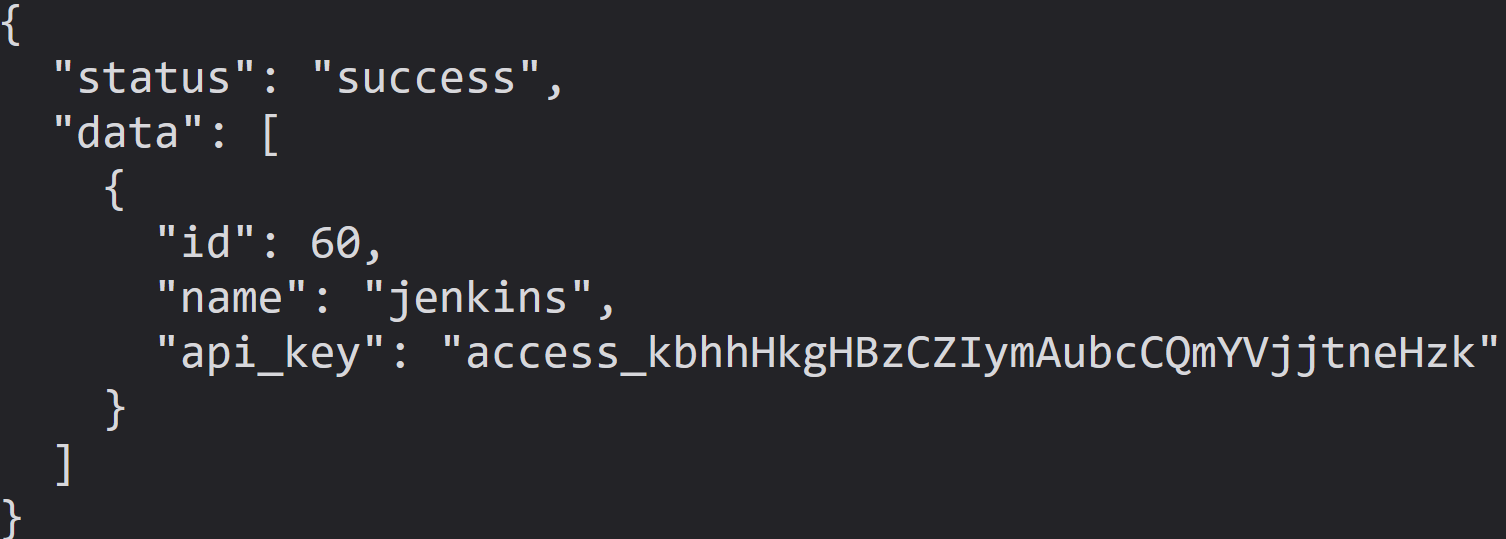
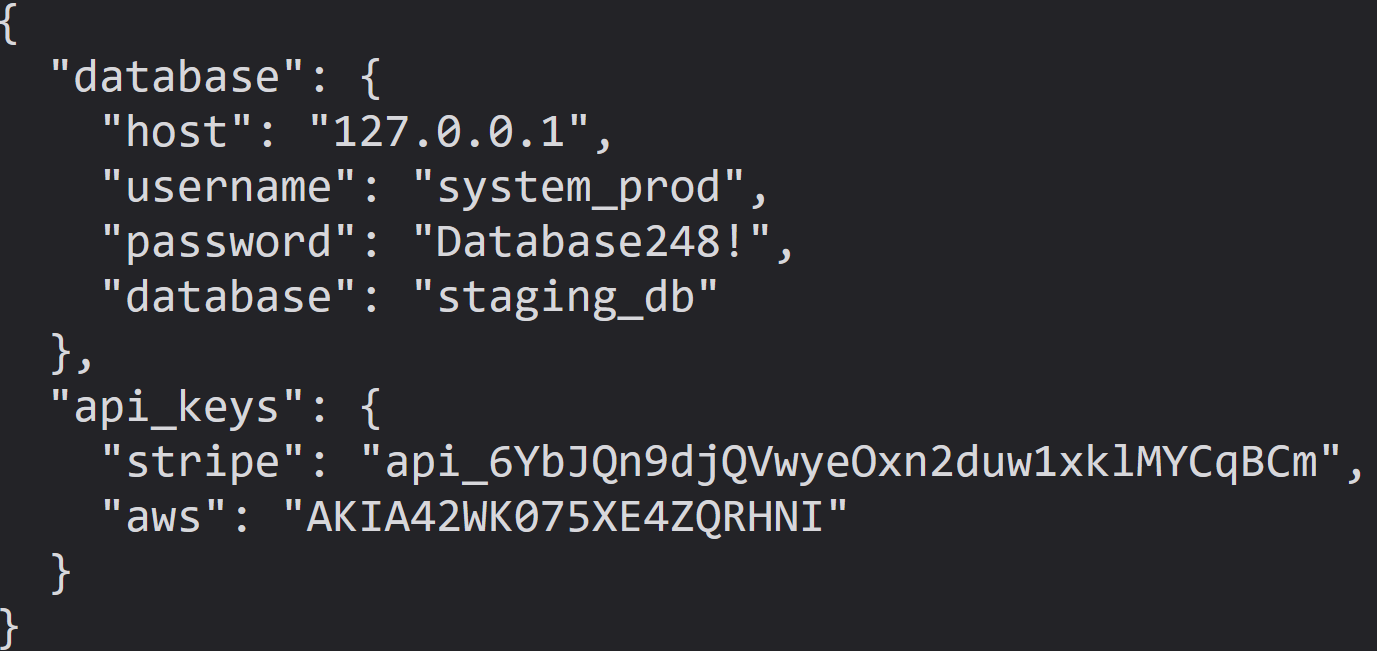
Requests to paths like `/backup/`, `/config/`, `/database/`, `/private/`, or `/uploads/` return a fake directory listing populated with “interesting” files, each assigned a random file size to look realistic. ![directory-page](img/directory-page.png) The `.env` endpoint exposes fake database connection strings, **AWS API keys**, and **Stripe secrets**. It intentionally returns an error due to the `Content-Type` being `application/json` instead of plain text, mimicking a “juicy” misconfiguration that crawlers and scanners often flag as information leakage. ![env-page](img/env-page.png) The pages `/api/v1/users` and `/api/v2/secrets` show fake users and random secrets in JSON format
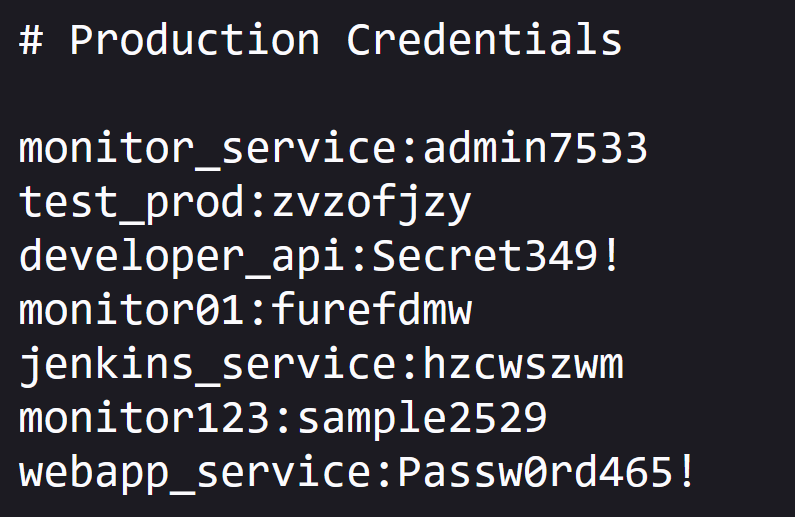
The pages `/credentials.txt` and `/passwords.txt` show fake users and random secrets
## Customizing the Canary Token To create a custom canary token, visit https://canarytokens.org and generate a “Web bug” canary token. This optional token is triggered when a crawler fully traverses the webpage until it reaches 0. At that point, a URL is returned. When this URL is requested, it sends an alert to the user via email, including the visitor’s IP address and user agent. To enable this feature, set the canary token URL [using the environment variable](#configuration-via-environment-variables) `CANARY_TOKEN_URL`. ## Customizing the wordlist Edit `wordlists.json` to customize fake data for your use case ```json { "usernames": { "prefixes": ["admin", "root", "user"], "suffixes": ["_prod", "_dev", "123"] }, "passwords": { "prefixes": ["P@ssw0rd", "Admin"], "simple": ["test", "password"] }, "directory_listing": { "files": ["credentials.txt", "backup.sql"], "directories": ["admin/", "backup/"] } } ``` or **values.yaml** in the case of helm chart installation ## Dashboard Access the dashboard at `http://:/` The dashboard shows: - Total and unique accesses - Suspicious activity detection - Top IPs, paths, and user-agents - Real-time monitoring The attackers' triggered honeypot path and the suspicious activity (such as failed login attempts) are logged ![dashboard-1](img/dashboard-1.png) The top IP Addresses is shown along with top paths and User Agents ![dashboard-2](img/dashboard-2.png) ### Retrieving Dashboard Path Check server startup logs or get the secret with ```bash kubectl get secret krawl-server -n krawl-system \ -o jsonpath='{.data.dashboard-path}' | base64 -d && echo ``` ## 🤝 Contributing Contributions welcome! Please: 1. Fork the repository 2. Create a feature branch 3. Make your changes 4. Submit a pull request (explain the changes!)
## ⚠️ Disclaimer **This is a deception/honeypot system.** Deploy in isolated environments and monitor carefully for security events. Use responsibly and in compliance with applicable laws and regulations. ## Star History Star History Chart